
Choosing the right aluminum profile is an important step in developing a reliable product or construction project. Different applications require different profile shapes, aluminum alloys, dimensions, surface finishes and processing methods. Choosing the wrong profile can affect structural performance, appearance, production efficiency and overall project cost.
For buyers, engineers, contractors and distributors, understanding the key factors before placing an order can make the sourcing process more efficient and reduce unnecessary development costs.
Understand Your Application Requirements
The first step is to determine how the aluminum profile will be used. Different applications have different performance requirements.
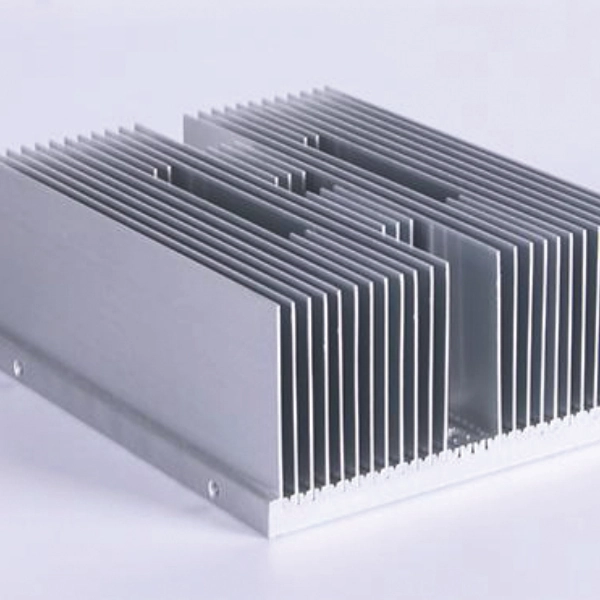
For example, photovoltaic aluminum profiles are mainly used for solar mounting structures and require suitable strength, outdoor durability and corrosion resistance. Aluminum heat sink profiles are designed for thermal management and require an efficient fin structure and sufficient surface area for heat dissipation.
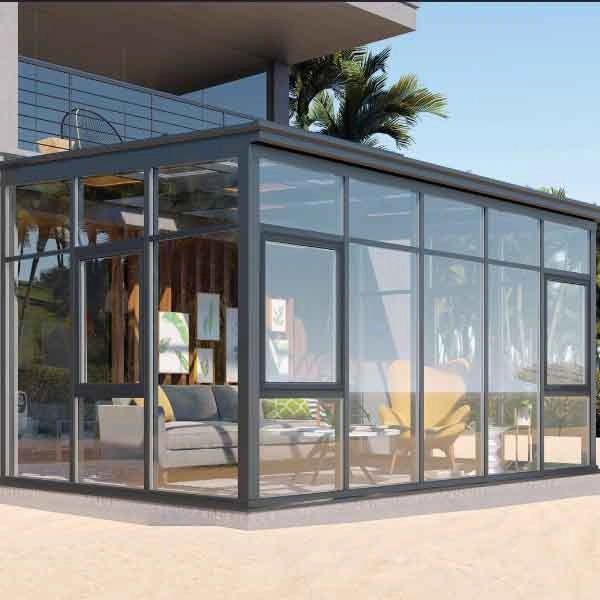
For architectural applications, such as aluminum doors, windows and curtain walls, appearance, corrosion resistance, profile structure and installation requirements are also important.
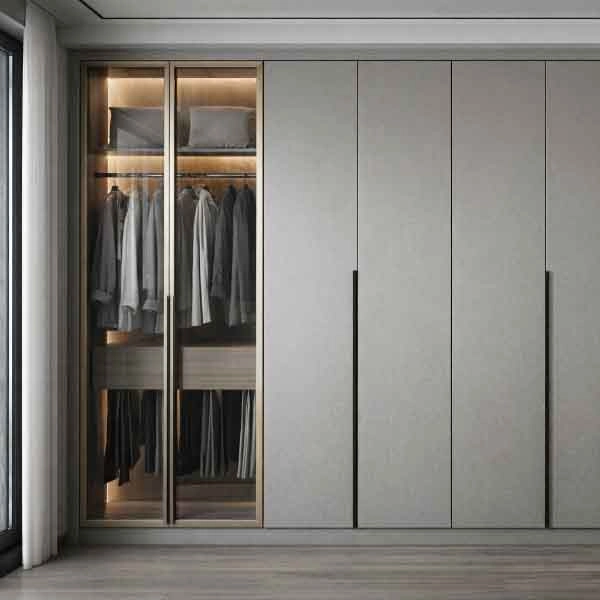
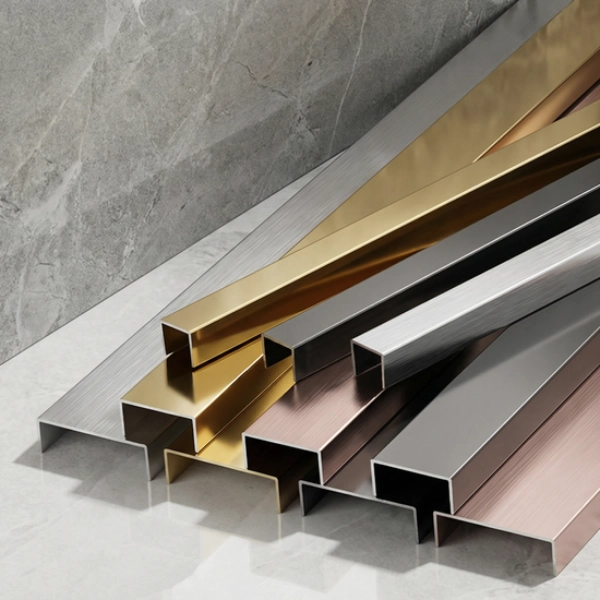
Furniture and interior decoration products, including aluminum cabinet profiles, U channels and edge trims, usually place greater emphasis on appearance, dimensions, surface finish and ease of installation.
Understanding the final application helps determine the most appropriate profile design and manufacturing process.
Select the Appropriate Aluminum Alloy
Aluminum alloy selection can affect strength, machinability, corrosion resistance and extrusion performance.
6063 Aluminum Alloy
6063 is widely used for architectural and decorative aluminum profiles because it provides good extrusion performance, surface quality and corrosion resistance. It is commonly used for doors, windows, furniture profiles and decorative applications.
6061 Aluminum Alloy
6061 offers higher mechanical strength and is commonly considered for applications requiring greater structural performance, including industrial components and engineering profiles.
6005 and 6082 Aluminum Alloys
These alloys can be considered for applications where higher strength is required. The final alloy should be selected according to the project’s mechanical and manufacturing requirements.
The most suitable alloy depends on the actual application rather than simply choosing the strongest material available.
Consider the Profile Design and Dimensions
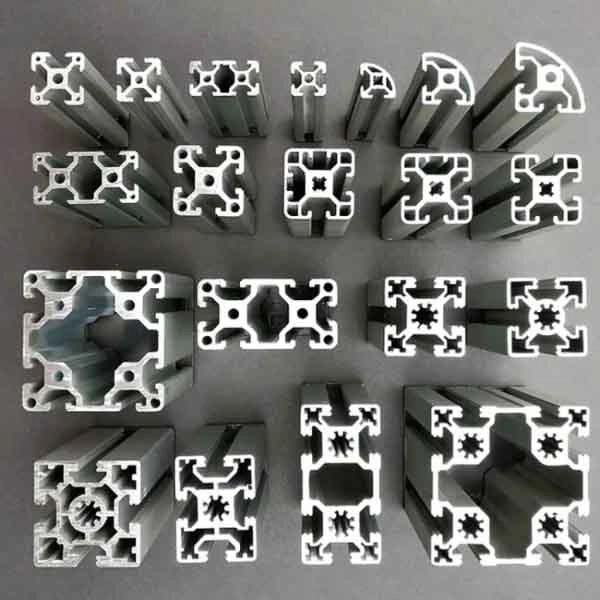
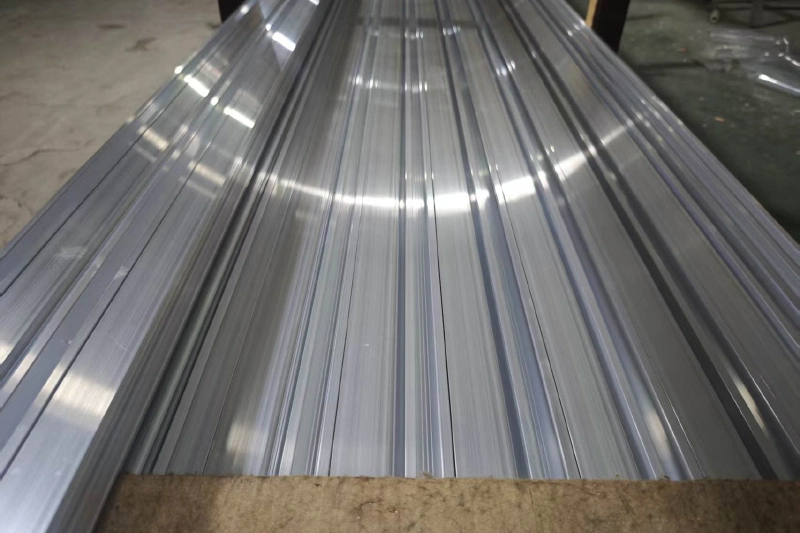
The cross-sectional design of an aluminum profile directly affects its performance and production cost.
Important considerations include:
- Profile width and height
- Wall thickness
- Internal cavities
- Slots and channels
- Connection structures
- Required profile length
- Weight per meter
- Machining requirements
A well-designed extrusion profile can reduce material consumption while providing the required structural performance.
For custom aluminum extrusion projects, customers should provide accurate 2D drawings, 3D drawings or physical samples whenever possible. This allows the manufacturer to evaluate the extrusion process and develop the appropriate extrusion die.
Choose the Right Surface Treatment
Surface treatment is another important factor when selecting aluminum profiles.
Anodizing
Anodizing provides a durable surface finish and maintains the metallic appearance of aluminum. It is commonly used for architectural profiles, furniture components and decorative products.
Powder Coating
Powder coating provides a wide range of colors and surface finishes. It is commonly used for doors, windows, curtain wall profiles, furniture and architectural applications.
Wood Grain Finish
Wood grain aluminum combines the appearance of natural wood with the durability and dimensional stability of aluminum. It is suitable for architectural decoration, doors and windows, furniture and interior projects.
Mill Finish
Mill finish aluminum can be used when the extrusion surface does not require additional decorative treatment or when another processing step will follow.
The surface treatment should be selected according to the installation environment, appearance requirements and expected product performance.
Check Customization and Processing Capabilities
Many aluminum profile projects are not standard products. Customers may require customized dimensions, special cross-sections or secondary processing.
Before selecting an aluminum profile manufacturer, it is useful to confirm whether the supplier can provide:
| Requirement | What to Check |
| Custom Extrusion | Can the supplier manufacture profiles from customer drawings? |
| Die Development | Can customized extrusion dies be developed? |
| Surface Treatment | Are anodizing, powder coating or wood grain finishes available? |
| Cutting | Can profiles be cut to specified lengths? |
| Machining | Can drilling, milling or other processing be provided? |
| Quality Control | Are dimensions, appearance and surface quality inspected? |
| Packaging | Can products be properly protected during transportation? |
Working with a supplier that can handle multiple production stages can simplify communication and reduce coordination between different suppliers.
Consider the Supplier’s Production Capability
Production capability is especially important for B2B customers handling regular orders or large projects.
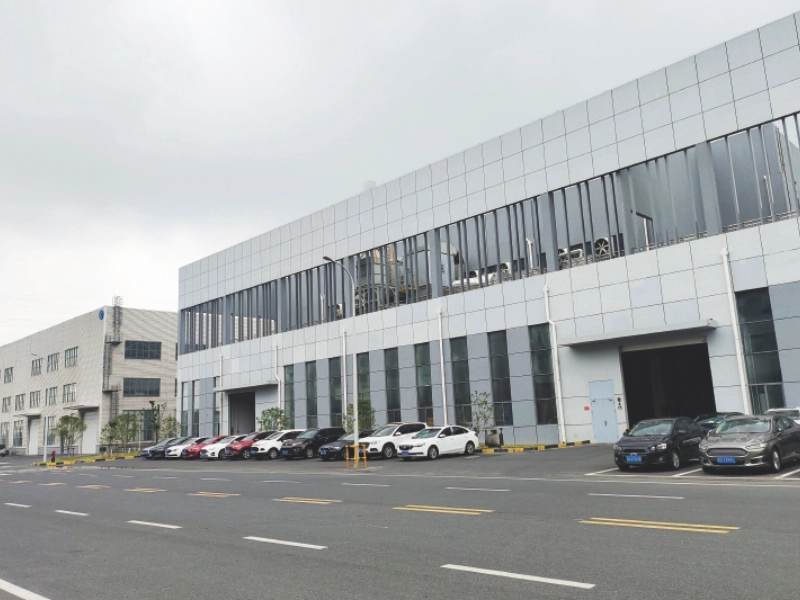
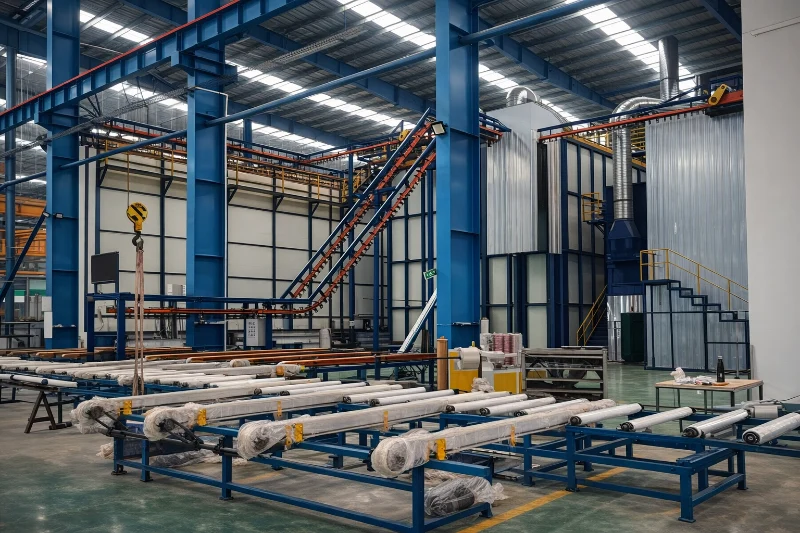
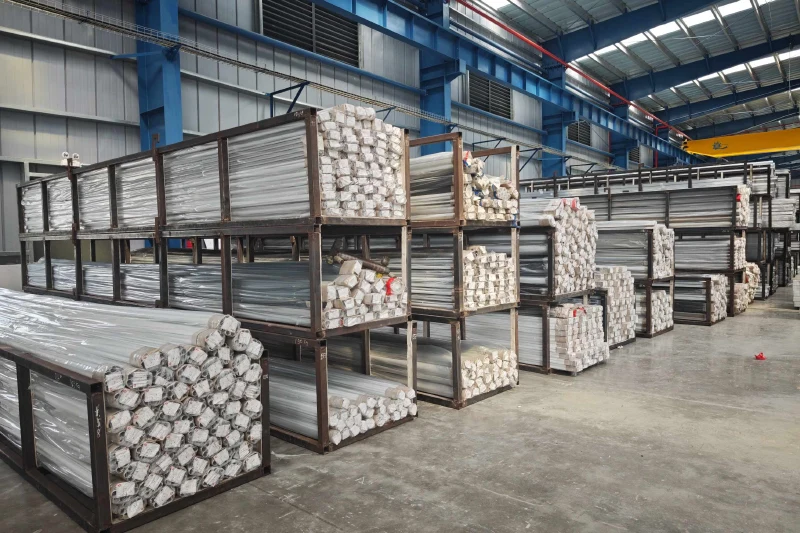
A professional custom aluminum extrusion manufacturer should ideally have experience with profile development, extrusion production, surface treatment and further processing.
Buyers should also consider production capacity, equipment, quality control procedures, delivery capability and experience with export orders.
For long-term projects, it is useful to work with a manufacturer that can maintain consistent profile dimensions, surface quality and production standards across repeated orders.
Ask for Samples Before Mass Production
Before starting mass production, samples can help confirm whether the profile meets the required specifications.
A typical sample evaluation may include:
- Profile dimensions
- Wall thickness
- Surface appearance
- Color and finish
- Assembly compatibility
- Machining accuracy
- Application performance
For custom extrusion projects, sample approval can reduce the risk of problems during mass production.
Compare Suppliers Based on Total Value
The lowest unit price is not always the most suitable purchasing option.
When comparing aluminum profile suppliers, buyers should consider the total supply value, including:
Profile Price + Die Cost + Surface Treatment + Processing + Packaging + Logistics + Quality + Delivery
A supplier offering a slightly higher profile price may provide better overall value through integrated production, lower secondary processing costs or more reliable quality.
This is particularly important for customized aluminum profiles where die development and processing costs can have a significant impact on the final project cost.
Conclusion
Choosing the right aluminum profile requires more than comparing prices. Buyers should consider the application, alloy, profile design, surface treatment, processing requirements, quality and supplier capabilities before making a purchasing decision.
Whether you need photovoltaic aluminum mounting profiles, aluminum heat sinks, doors and windows, curtain wall profiles, cabinet profiles or decorative aluminum profiles, providing clear technical requirements to your supplier is one of the most effective ways to improve quotation accuracy and production efficiency.
A reliable aluminum profile manufacturer can also help evaluate the extrusion design, recommend suitable materials and surface treatments, and provide customized solutions from die development to finished products.
Have an aluminum profile project in development? Send us your drawings or requirements for a customized solution and quotation.
Related Aluminum Profile Applications
| Product | Typical Application |
| Photovoltaic Aluminum Mounting System | Solar PV Mounting |
| Aluminum Heat Sink | Electronics & Thermal Management |
| Aluminum Door | Residential & Commercial Buildings |
| Aluminum Window | Architectural Applications |
| Sunroom | Residential & Outdoor Spaces |
| Curtain Wall | Commercial & High-Rise Buildings |
| Aluminum Cabinet Profiles | Kitchen & Interior Furniture |
| Aluminum Handle | Cabinets & Furniture |
| U Channel | Interior Decoration & Framing |
| Edge Trim | Wall, Flooring & Interior Finishing |